

NPDES Permit Program

Public Works · Water Quality

NPDES Stormwater Program

Protecting Riverside’s waterways starts with a reliable storm drain system, practical pollution prevention and a community that understands what is at stake.

The program

Protecting water quality throughout Riverside

The City maintains its Municipal Separate Storm Sewer System, or MS4, under the National Pollutant Discharge Elimination System permit program.

The NPDES permit program is part of the Clean Water Act. It establishes requirements that help prevent pollutants carried by stormwater from reaching local waterways.

In collaboration with Riverside County Flood Control & Water Conservation District, the City uses several coordinated strategies to eliminate stormwater pollution and comply with federal, state and local regulations.

Public educationHelping residents and businesses understand how everyday actions affect waterways.
Best management practicesUsing proven methods to prevent and reduce pollutants in stormwater runoff.
Evaluation and monitoringTracking water quality and assessing the effectiveness of program activities.

Learn more about the City’s regional partnerships at Riverside County Watershed Protection.
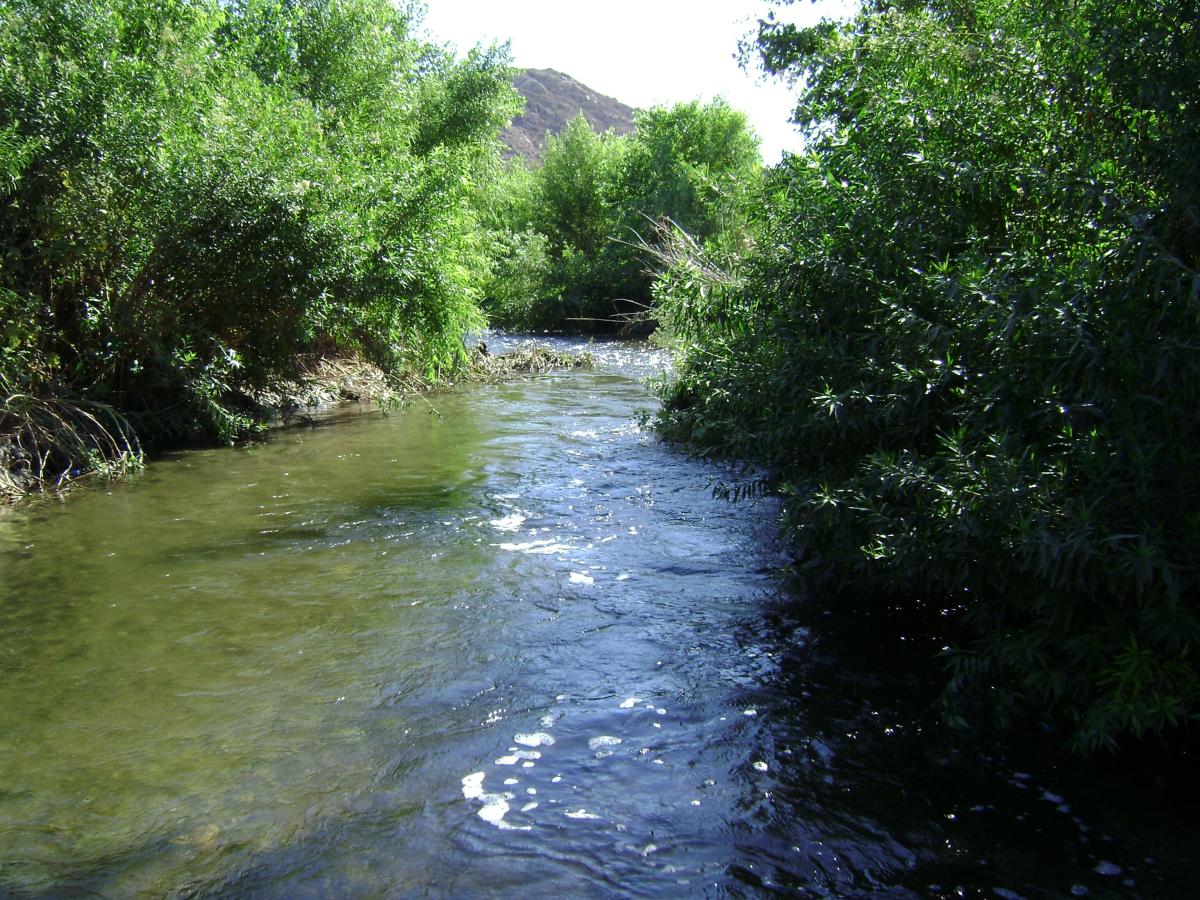
The Santa Ana River flowing between dense green vegetation near Riverside
Santa Ana River near Riverside Riverside is part of the Santa Ana watershed. Stormwater moves through streets and the storm-drain network toward local streams and rivers, making pollution prevention throughout the City essential.

Tentative Order R8-2026-0034

A proposed regional stormwater permit

The Santa Ana Water Board is preparing to adopt one permit for cities and counties across the Santa Ana watershed, including Riverside, San Bernardino and Orange Counties. This would replace the past county-specific approach with a single set of requirements.

$2.32B The City may need as much as this over 20 years for stormwater capture and treatment projects.
$42M Estimated annual cost to operate and maintain those projects.
$497 Estimated countywide cost per resident, per year, for 20 years.

Why this matters

The proposal carries significant financial and operational questions

  1. Unfunded costs

    Substantial new costs are proposed without identified funding or assurances that the required projects will result in measurable water-quality improvements.

  2. Compliance risk

    Expanded regulatory obligations could increase legal and operational risk if the requirements prove unattainable.

  3. Limited review time

    Cities and the public have limited time to fully evaluate the requirements and communicate concerns before adoption.

Community impacts

How the proposed requirements may be felt locally

Stormwater compliance is one of many essential responsibilities supported by limited public resources. The proposed permit may require the City, residents and local businesses to navigate difficult funding and development decisions.

Potential impacts on residents

  • Stormwater compliance would draw from the same City funds used for public safety, road repair, parks, recreation and essential services.
  • Meeting the permit’s obligations would likely require identifying new funding sources.
  • Households may experience indirect effects as the City balances limited resources across competing priorities.

Potential impacts on local businesses

  • City funding redirected to stormwater requirements may limit investments in business-supporting services and infrastructure.
  • A wider range of development and redevelopment projects would be required to incorporate water-quality protection features and plans for their approval.
September 2026 Friday · 9:00 AM

Upcoming public meeting

Santa Ana Water Board meeting

The next Regional Board meeting is Friday, September 11, 2026, at 9:00 AM. Previous hearings on Tentative Order R8-2026-0034 were held July 24 and August 21, 2026.